Selling a house that is in foreclosure
Ohio foreclosure runs through a court, which means it is slower than most people fear and there is usually more time than the letters suggest. If there is time, there is usually a deal.
No repairs. No clean-out. No commissions. No obligation.
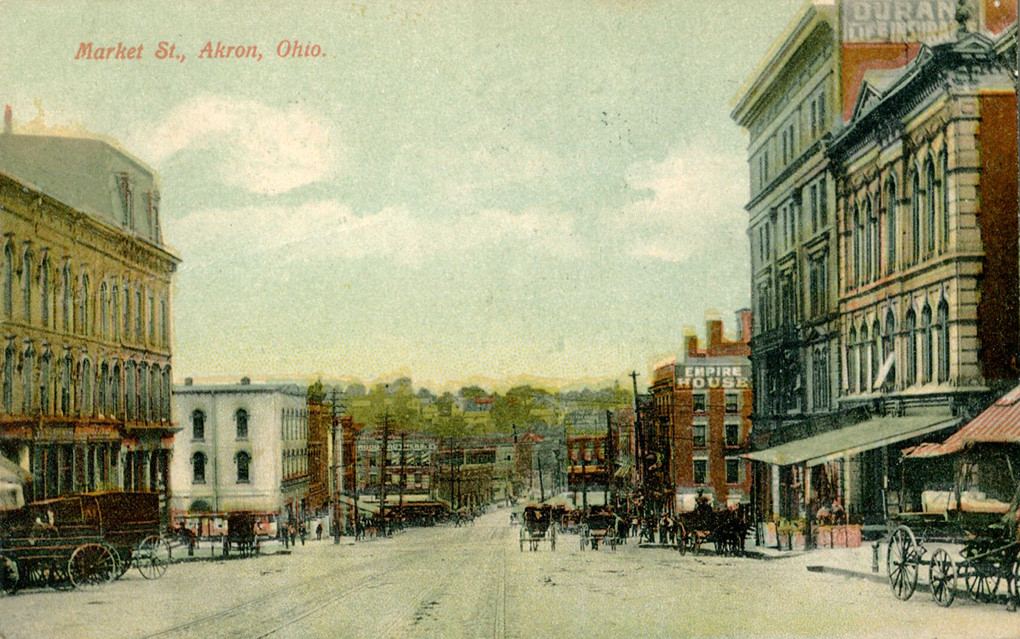
Market Street, Akron, 1908
- Cash
- No lender, no appraisal
- As-is
- No repairs, no clean-out
- No fees
- Zero commissions either side
- Your date
- You pick the closing day
Ohio is a judicial foreclosure state. The lender cannot simply take the house; it has to sue you, win a judgment, and then sell the property at a sheriff’s sale. That takes months, and the certified letters tend to arrive long before anything irreversible happens.
That matters because most people in foreclosure believe they have days when they often have months. The worst outcomes we see are not caused by the foreclosure. They are caused by someone deciding it was hopeless, stopping opening the mail, and losing options that were still open.
The deadline that actually matters
You can pay the debt off and keep the house at any point up until the court confirms the sheriff’s sale. Confirmation is a separate step that happens after the sale itself, and until it occurs the window is still open. Once the court confirms, Ohio gives you no further right to redeem and it is genuinely over.
How long that window runs depends on your county’s docket more than on any published average, and it can be a matter of days or a couple of months. If a sale date has already been set, the single most useful thing you can do is ask your attorney or the clerk of courts exactly where your case sits. Not an estimate from the internet. Your case.
Do not leave the surplus behind
If the property sells for more than what is owed against it, the extra money belongs to you, not the lender. It does not arrive automatically. It sits with the clerk of courts and you have to claim it.
People walk away from real money this way, usually because nobody told them it existed. If your house is worth meaningfully more than the balance on the loan, that equity is yours whether you sell it to us, sell it to someone else, or let the sale happen and claim the surplus afterwards. Ask about it.
Use the free help first
HUD-approved housing counselling is free, and a counsellor can tell you whether a loan modification or a reinstatement would keep you in the house. If staying is what you want, that conversation is worth more to you than ours is. We would rather you have it.
Be careful with anyone who charges an upfront fee to stop a foreclosure, promises a guaranteed outcome, or asks you to sign the deed over and keep making payments. Those are the standard shapes of foreclosure rescue scams, and people in your position are the target market for them.
What we can and cannot do
What we can do: buy the property as it stands, close before the sale date if the timing allows, and speak directly to your lender’s loss mitigation department once you have given them written authorisation to talk to us. Lenders will not discuss your loan with a third party without it.
What we cannot do: stop a foreclosure, make your lender agree to anything, or promise you a number before we have looked at the property and the payoff. Anyone telling you otherwise is selling you something. If the payoff is higher than the house is worth, a sale to us may not be possible at all, and we will tell you that on the first call rather than the fifth.
One thing we are not
This page is general information about how foreclosure usually works in Ohio, not legal advice, and we are not your attorney. Deadlines vary by county and by case. Talk to an attorney or a HUD-approved housing counsellor, which costs nothing, before making a decision this large.
How selling to us works
Tell us about the property
On the first call. Address, rough condition, and what you’re trying to accomplish. Five minutes by phone, text, or the form. No showings, no lockbox, no sign in the yard.
We underwrite it
Then. We pull comparable sales, estimate repairs, and, if it’s a rental, read the rent roll. We look at the property itself, not a computer’s guess at it.

You get a written cash offer
Usually within a day. Usually within 24 hours, in writing, with the number broken out so you can see how we got there. No obligation and no pressure to sign on the spot.
Close at a local title company
On your date. You pick the date. Title work, deed prep, and standard closing costs are on us. Funds are wired or cut as a check, whichever you prefer.
Get a cash offer
Tell us the address and roughly what shape it is in. We will look at it properly and come back with a written number, usually within one business day. If we are not the right answer for your situation we will tell you that instead.
No cost, no obligation, and we never sell your information.
Tell us about the property

Foreclosure questions we get
- Mon–Sat, 8am–8pm ET
- (330) 388-8445 · call or text
- Akron, OH · serving all of Ohio
Is it too late if a sheriff’s sale date is already set?
Often not. The window stays open until the court confirms the sale, which is a step after the sale itself. How much time that leaves depends on your county. Call and tell us the sale date and we will tell you honestly whether we can close in time.
Will selling to you hurt my credit less than foreclosure?
A completed sale that pays the loan off generally reads better than a completed foreclosure, and it avoids a deficiency balance if the payoff is covered. We are not credit counsellors though, and we are not going to pretend to quantify it for you.
I owe more than the house is worth. Can you still buy it?
Sometimes, through a short sale, which means your lender has to agree to accept less than the full balance. That is slower and the lender controls the outcome, not us. We will tell you upfront whether it is realistic.
Do I have to let you inside?
We would like to see it once, and it does not need to be clean or empty. If you would rather not have anyone in the house, we can work from photographs and price it more conservatively, because we have to price the risk we cannot see.
Are you going to charge me anything?
No. No fees, no commission, and nothing upfront, ever. If anyone in this industry asks you for money before closing to help with a foreclosure, stop talking to them.
Where we buy in Ohio
Northeast Ohio is home and it is where we move fastest. We buy statewide too, and if a property sits somewhere we cannot pay a competitive number we will say so rather than waste your week.
- Sell a house in Akron, OH · Summit County bungalows, duplexes and estate sales
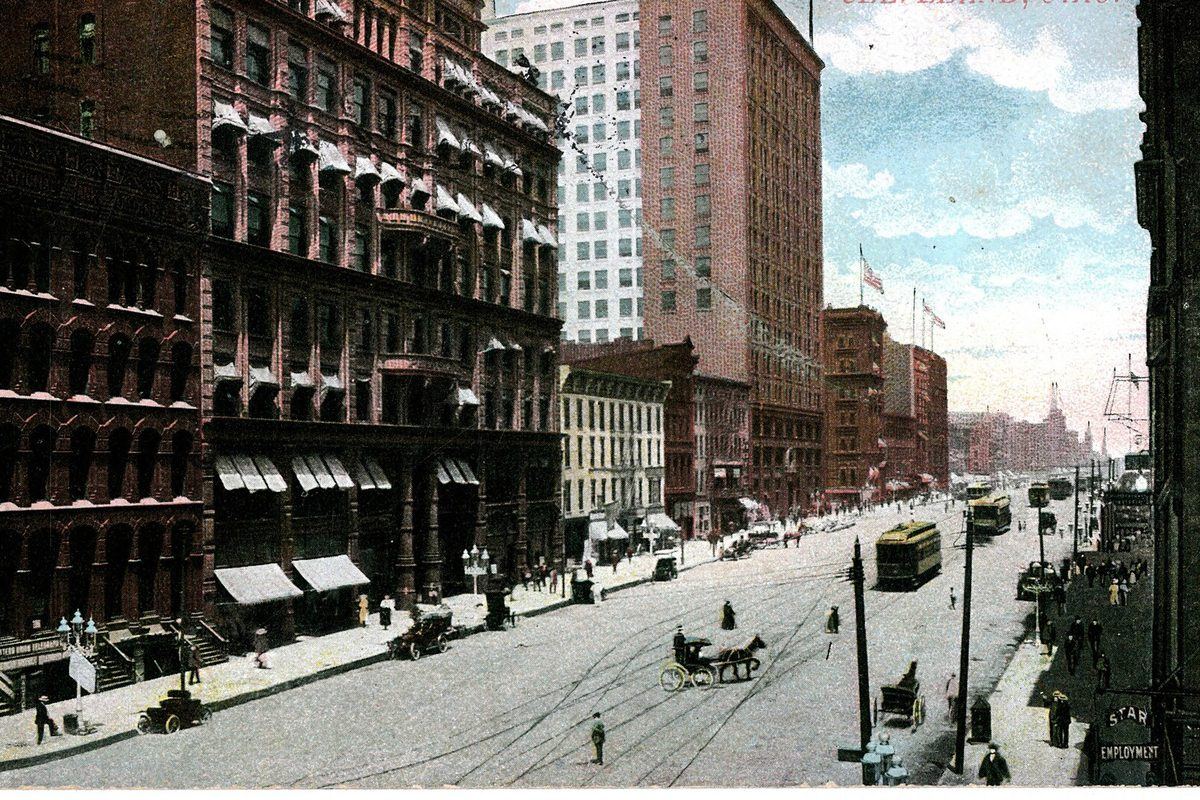
- Sell a house in Cleveland, OH · Cuyahoga County point-of-sale, violations and rentals
- Sell a house in Canton, OH · Stark County estates, rentals and absentee owners
- Sell a house in Cuyahoga Falls, OH · Summit County mid-century homes and estate clean-outs
- Sell a house in Kent, OH · Portage County student rentals and tired landlords
- Sell a house anywhere in Ohio · Columbus, Cincinnati, Dayton, Toledo and beyond
Mon–Sat, 8am–8pm ET. Avery picks up.
Call (330) 388-8445Superior Street, Cleveland, Cuyahoga County