Selling a house that is in probate
Estate sales are most of what we buy. We work with the executor and the estate’s attorney, we take the house with everything still in it, and we can wait for the court.
No repairs. No clean-out. No commissions. No obligation.
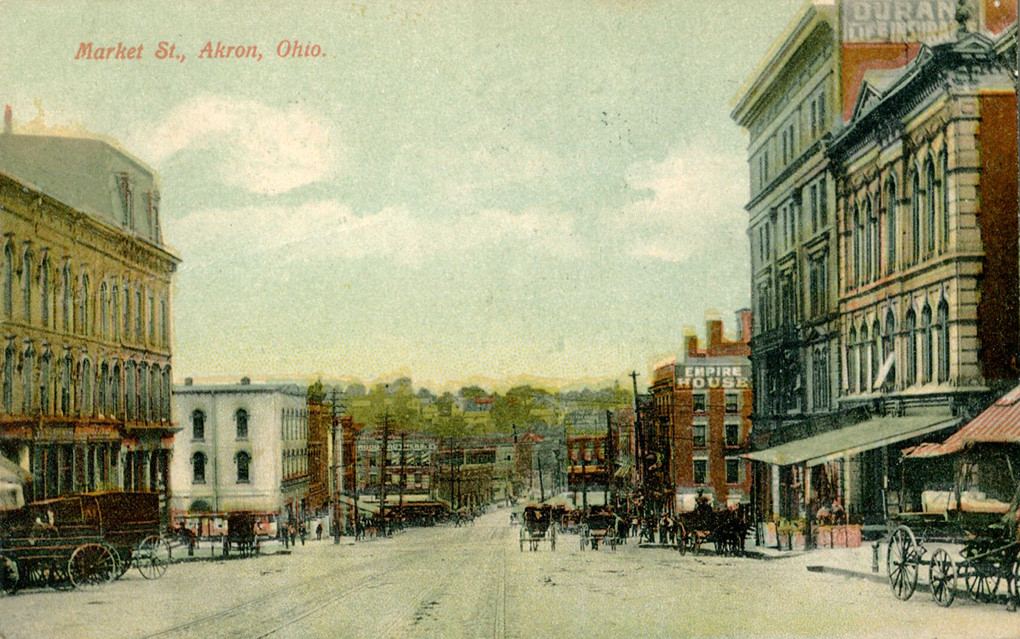
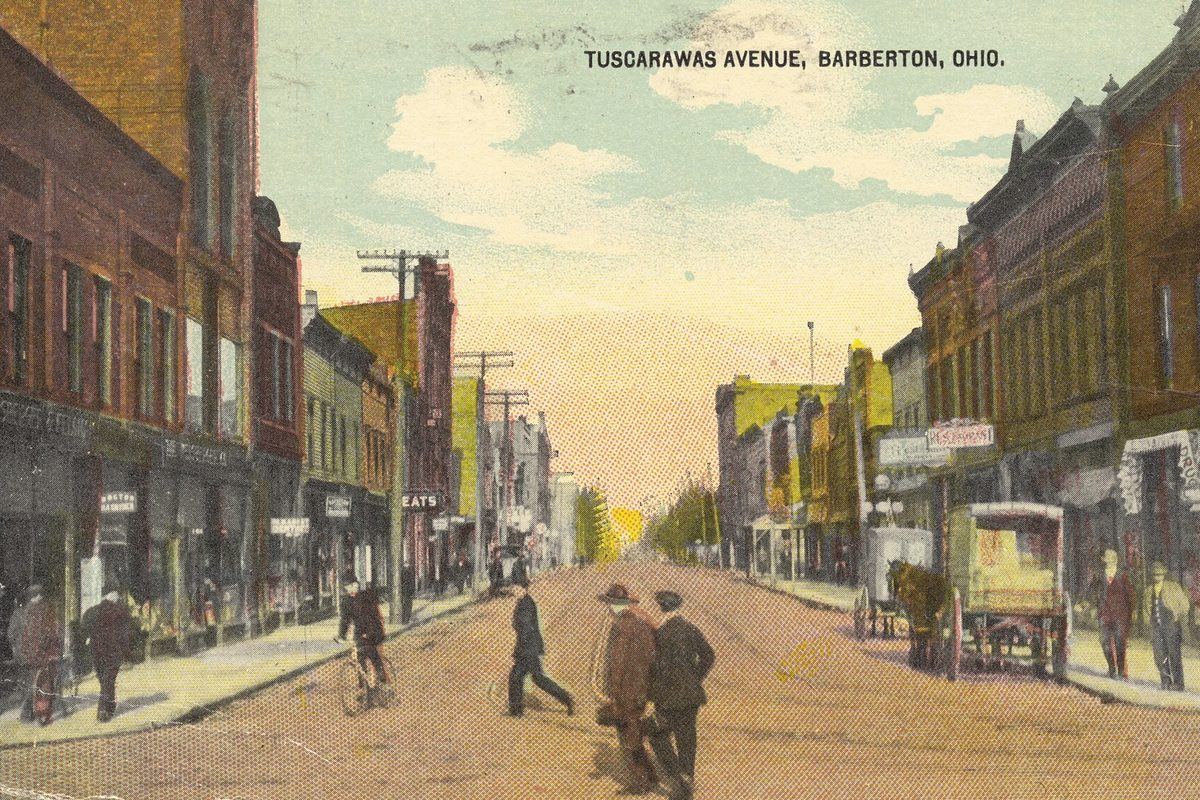
Market Street, Akron, 1908
- Cash
- No lender, no appraisal
- As-is
- No repairs, no clean-out
- No fees
- Zero commissions either side
- Your date
- You pick the closing day
Most estate sales do not stall because nobody wants the house. They stall because the house needs work nobody wants to pay for, the heirs live in three different states, and the taxes and the insurance keep running while everyone decides what to do.
Listing it retail usually makes that worse. A conventional or FHA buyer brings a lender, the lender sends an appraiser, the appraiser flags the roof or the furnace or the knob-and-tube, and the lender will not fund until it is repaired. Now the estate is being asked to front eight thousand dollars on a property it is trying to get rid of. That deal falls through and the house comes back on the market with a stale listing date and a worse story.
What has to be true before a sale
Nobody can sell the house until the probate court appoints someone to act for the estate. That appointment comes with a document, usually called Letters of Authority, and until it exists no title company in Ohio will close a sale. If you are earlier than that, you are not behind; you are just not at the part where a buyer matters yet.
After the appointment it depends on the will. If the will gives the executor a power of sale, the executor can generally sell the real estate without going back to the court for separate permission. If there is no will, or the will says nothing about selling, the sale normally has to run through a court process instead, and that adds time and paperwork. There is also a route where the surviving spouse and the heirs all consent in writing, which some estates use to skip the longer process.
Separately, Ohio gives creditors six months from the date of death to bring claims against the estate. That window is the single biggest reason estates do not wrap up quickly, and it is worth knowing before anyone promises you a two-week closing on an estate property.
Why a cash sale fits an estate
There is no lender, so there is no appraisal that can kill the deal over condition. Repair cost comes out of our number instead of out of the estate’s pocket, which means the estate never has to fund work on a house it is selling.
There are no showings, which matters more than people expect when the heirs are out of state and the house is still full. And the contents stay: take the photographs and the paperwork and whatever else matters to your family, and leave the rest exactly where it is. No dumpster, no clean-out, no estate-sale company.
You also pick the closing date. If your attorney wants to sit until the creditor window closes, we sit. If the estate needs the money moving sooner and the court has cleared it, we can close in about two weeks.
What we need to give you a number
The address, roughly what condition it is in, who has been appointed (or whether anyone has yet), and your attorney’s name if the estate has one. That is genuinely it, and it is a five-minute phone call.
We will talk to the estate’s attorney directly, and most executors would rather we did. If letters have not been issued yet we can still look at the property and give you a number to take back to the family. We simply cannot close until the court has done its part.
Not every inherited house is in probate
Check the deed before you assume you are stuck waiting. If the property was held with a survivorship deed, it may have passed to the co-owner automatically. If there is a transfer-on-death designation on it, it may pass straight to the named beneficiary. If it was in a trust, the trustee sells it and the probate court is not involved at all.
In any of those cases there may be nothing to wait for and you could sell this month. It is a five-minute question for your attorney or the county recorder, and it is worth asking before you spend six months assuming the answer.
One thing we are not
This page is general information about how estate sales usually work in Ohio, not legal advice, and we are not your attorney. The details change with the will, the heirs, and the county. Your probate attorney and the county probate court are the authority on your estate.
How selling to us works
Tell us about the property
On the first call. Address, rough condition, and what you’re trying to accomplish. Five minutes by phone, text, or the form. No showings, no lockbox, no sign in the yard.
We underwrite it
Then. We pull comparable sales, estimate repairs, and, if it’s a rental, read the rent roll. We look at the property itself, not a computer’s guess at it.

You get a written cash offer
Usually within a day. Usually within 24 hours, in writing, with the number broken out so you can see how we got there. No obligation and no pressure to sign on the spot.
Close at a local title company
On your date. You pick the date. Title work, deed prep, and standard closing costs are on us. Funds are wired or cut as a check, whichever you prefer.
Get a cash offer
Tell us the address and roughly what shape it is in. We will look at it properly and come back with a written number, usually within one business day. If we are not the right answer for your situation we will tell you that instead.
No cost, no obligation, and we never sell your information.
Tell us about the property

Probate questions we get
- Mon–Sat, 8am–8pm ET
- (330) 388-8445 · call or text
- Akron, OH · serving all of Ohio
Can I sell the house before probate is finished?
Usually yes. Closing the estate and selling the house are two different events, and the sale often happens well before the estate is finally settled. What you cannot do is sell before the court has appointed someone to act for the estate.
Do all of the heirs have to agree to the sale?
It depends which route the estate is using. Where the will grants a power of sale, the executor generally signs and the heirs do not each have to. Some routes do require written consent from the surviving spouse and the heirs. Your attorney will know which one applies to your estate.
The house is still full of furniture and paperwork. Do we have to clear it out?
No. Take what matters to your family and leave everything else exactly where it is. Clean-out is our cost and it is already priced into the offer. You do not need a dumpster, a clean-out crew, or an estate sale.
Who pays the back taxes, water, and sewer?
They get paid at closing out of the proceeds, along with any liens against the property. Nobody has to come up with money in advance. You will see all of it itemised on the settlement statement before you sign.
How long does the whole thing take?
Our part is fast: a written number usually within a day of seeing the property, and a closing about two weeks after the estate is clear to sell. The court’s part is the slow part, and it is not something either of us controls. Six to twelve months is common for an Ohio estate.

Where we buy in Ohio
Northeast Ohio is home and it is where we move fastest. We buy statewide too, and if a property sits somewhere we cannot pay a competitive number we will say so rather than waste your week.
- Sell a house in Akron, OH · Summit County bungalows, duplexes and estate sales
- Sell a house in Cleveland, OH · Cuyahoga County point-of-sale, violations and rentals
- Sell a house in Canton, OH · Stark County estates, rentals and absentee owners
- Sell a house in Cuyahoga Falls, OH · Summit County mid-century homes and estate clean-outs
- Sell a house in Kent, OH · Portage County student rentals and tired landlords
- Sell a house anywhere in Ohio · Columbus, Cincinnati, Dayton, Toledo and beyond
Mon–Sat, 8am–8pm ET. Avery picks up.
Call (330) 388-8445Superior Street, Cleveland, Cuyahoga County